
How to Decorate with Antiques Without Looking Old-Fashioned
Antiques bring character, charm, and history into a home, but they can feel tricky to style. The key to learning how to decorate with antiques successfully is finding the right balance. Too many antiques, and a room can look dated. Too few, and they may feel out of place. By mixing antiques with modern pieces, thoughtful styling, and the right colour palettes, you can create a home that feels cozy, timeless, and fresh, not old-fashioned.
The key to learning how to decorate with antiques successfully is finding the right balance. Too many antiques, and a room can look dated and heavy. Too few, and they may feel out of place or like random afterthoughts. By mixing antiques with modern pieces, employing thoughtful styling techniques, choosing the right colour palettes, and understanding scale and proportion, you can create a home that feels cozy, sophisticated, and fresh, not old-fashioned.
This comprehensive guide will show you exactly how to incorporate antique treasures into contemporary spaces with confidence and style.
Antiques Belong in Modern Homes
Antiques aren’t just “old stuff”, they’re pieces with stories. A carved wooden chair, a gilded mirror, or a vintage rug can instantly add depth and texture to a room. Unlike mass-produced decor, antiques bring uniqueness. When styled well, they create that perfect blend of comfort + character that feels inviting, not outdated.
Here’s why antiques deserve a place in modern homes:
- Unmatched Quality and Craftsmanship: Many antiques were built during eras when furniture was crafted by skilled artisans using superior materials and construction techniques. Solid wood, hand-carved details, and sturdy joinery mean these pieces often outlast modern alternatives.
- Unique Character: Unlike mass-produced decor from big-box stores, antiques bring uniqueness. You won’t find your exact vintage dresser in your neighbour’s house or scrolling through Instagram.
- Sustainability: Choosing antiques is an eco-friendly decorating choice. You’re giving existing pieces new life rather than contributing to furniture waste and resource consumption.
- Investment Value: Quality antiques often appreciate over time, especially rare or well-maintained pieces. They’re decor and potential investments rolled into one.
- Storytelling Elements: Every scratch, patina, and imperfection tells a story. Antiques add layers of history and narrative that make spaces feel rich and collected over time rather than decorated overnight.
- When styled well, antiques create that perfect blend of comfort and character that feels inviting, layered, and intentionally curated, not outdated or stuck in the past.
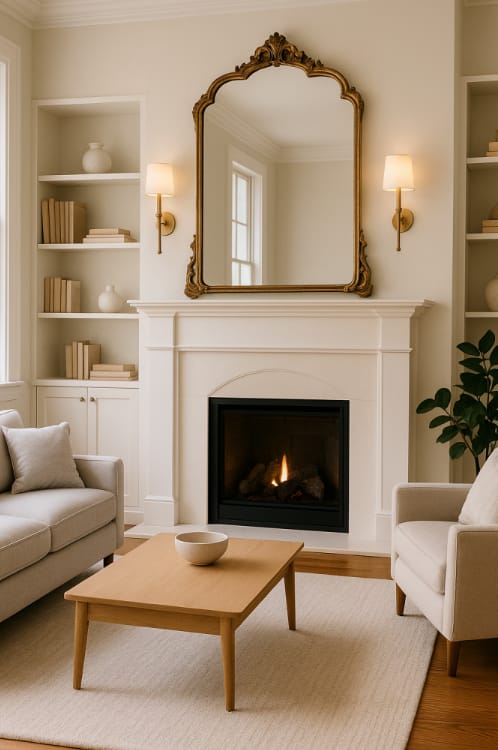
1. Use Antiques as Statement Pieces
Instead of filling a room with antiques, pick one or two standouts. A dramatic mirror, a vintage coffee table, or a beautifully aged rug can anchor the room while the rest of the décor stays clean and modern. The key is letting these pieces breathe. Surround them with clean-lined modern furniture, neutral colors, and minimal accessories so they command attention without competing for it.
Perfect Statement Antiques:
- Mirrors: A dramatic antique mirror with an ornate frame becomes instant wall art. The reflective surface also bounces light, making spaces feel larger and brighter.
- Coffee Tables: A vintage coffee table with character anchors a seating area, while surrounding modern sofas and chairs keep things current.
- Rugs: A beautifully aged Persian or Oriental rug adds warmth, colour, and pattern as a foundation for modern furniture.
- Dining Tables: An antique farm table or refined dining table creates a gathering spot with history, especially powerful when paired with contemporary chairs.
- Cabinets and Armoires: Large storage pieces with beautiful patina or carved details provide both function and visual weight.
Styling Tip: If your antique is ornate and detailed, keep everything else in the room simple and understated. If it’s a simpler antique with beautiful wood grain, you can layer in more pattern and texture elsewhere.
Shop antique-style coffee tables

2. Mix Old with New
The secret sauce to making antiques feel current? Contrast. Pair your antiques with contemporary pieces for visual balance. This juxtaposition makes antiques feel intentional and curated rather than dusty or forgotten. This mix-and-match approach creates spaces that feel collected, layered, and personal like they evolved over time rather than being decorated in a single shopping trip. It’s the difference between “decorated” and “designed.”
Winning Combinations:
- Vintage Chair + Sleek Floor Lamp: Place an ornate antique chair next to a minimalist modern floor lamp. The clean lines of the lamp prevent the chair from feeling fussy.
- Rustic Wooden Chest + Modern Bed: Add a weathered antique trunk at the foot of a streamlined upholstered bed for storage with character.
- Ornate Frame + Minimalist Artwork: Put contemporary abstract art or simple photography in an elaborate antique frame, or vice versa—modern frames around vintage prints.
- Antique Dining Table + Acrylic Chairs: Pair a traditional wooden dining table with transparent modern chairs for an airy, unexpected contrast.
- Vintage Rug + Contemporary Sofa: Layer a patterned antique rug under clean-lined modern seating.
The 80/20 Rule: For a modern room with antique touches, aim for roughly 80% contemporary pieces and 20% antiques. For a more traditional space, flip those proportions but maintain that critical mix.

3. Stick to a Neutral Palette 🎨
Too many heavy antique woods and dark tones can overwhelm a space. Pair antiques with neutral walls, airy fabrics, and light flooring to keep things fresh. Think creamy whites, soft greys, or warm beige as a backdrop. This neutral foundation prevents antiques from overwhelming the space and keeps rooms feeling fresh, open, and current despite the presence of older pieces.
Best Neutral Backdrops for Antiques:
- Creamy Whites: Soft whites (not stark white) create brightness without harshness, making dark wood antiques pop beautifully.
- Warm Beiges and Taupes: These cozy neutrals complement wood tones naturally and create inviting spaces.
- Soft Greys: Grey provides contemporary sophistication while allowing antiques to serve as a warm contrast.
- Greige (Grey + Beige): This hybrid neutral works with virtually any antique finish.
Additional Lightning Techniques:
- Choose light, natural-fibre curtains (linen, cotton) rather than heavy drapes
- Opt for light wood or neutral flooring instead of dark hardwoods
- Use crisp white or neutral bedding and upholstery
- Add mirrors to bounce light around dark antique pieces
- Paint walls in light colors even if the antiques are dark
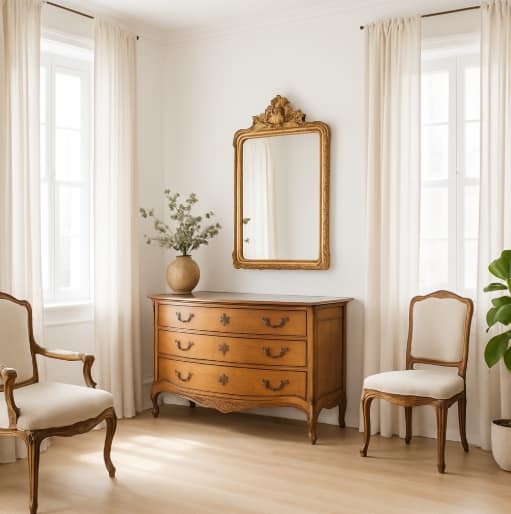
4. Repurpose Antiques for Modern Living 🔄
Repurposing breathes new life into antiques while adding quirky charm and functionality. This strategy makes antiques feel relevant to contemporary lifestyles rather than like museum pieces you can’t touch. The beauty of repurposing is that it honours the piece’s history while making it functional for how you actually live today. Plus, it’s an excellent conversation starter!
Creative Repurposing Ideas:
- Old Dresser → Bathroom Vanity: Convert a beautiful antique dresser into a unique bathroom vanity by cutting openings for plumbing and adding a vessel sink. This creates a statement piece far more interesting than standard bathroom cabinetry.
- Vintage Ladder → Blanket Rack or Towel Holder: Lean a weathered wooden ladder against a wall to display throws, quilts, or bathroom towels in an accessible, decorative way.
- Antique Trays → Coffee Table Styling: Use ornate silver or wooden trays as sophisticated coffee table organisers for remotes, coasters, and candles.
- Old Trunks → Coffee Tables or Storage: Vintage trunks make excellent coffee tables with hidden storage. Add a glass top if the surface is too uneven for drinks.
- Vintage Crates → Shelving: Stack or mount antique wooden crates as unique shelving units for books, plants, or display items.
- Antique Windows → Mirrors or Photo Displays: Add mirror backing to vintage window frames or use the panes to display family photos.
- Old Doors → Headboards or Table Tops: Repurpose architectural salvage doors as dramatic headboards or dining table tops.

5. Layer Textures for Warmth
Heavy antique wood can feel cold and rigid on its own. Balance these hard surfaces with softer, lighter textures to create warmth and a lived-in, inviting atmosphere. This layering prevents antiques from looking too rigid, formal, or untouchable. It creates visual and tactile interest while making spaces feel more inviting and comfortable to live in, rather than merely looking at.
Texture Combinations That Work:
- Linen Cushions: Add casual linen pillows to formal antique chairs or sofas for relaxed elegance.
- Woven Rugs: Layer natural fibre rugs (jute, sisal, seagrass) under or alongside antique furniture for organic texture.
- Velvet Throws: Drape luxurious velvet or chenille throws over antique benches or chair backs for touchable softness.
- Sheepskin or Faux Fur: Add cozy sheepskin throws to wooden chairs or benches for contrast and comfort.
- Knit Blankets: Chunky knit blankets provide modern texture that softens traditional pieces.
- Raw Wood + Smooth Ceramics: Pair rustic wooden antiques with smooth, modern ceramics or pottery.
Color Coordination Tip: Keep your textural additions in neutral or complementary tones so they enhance rather than clash with your antique pieces.

6. Light It Right 💡
Good lighting can modernise antiques instantly. The right illumination makes old pieces feel intentional and current rather than dark and dated.
Lighting Strategies:
- Pair Antique Furniture with Modern Lamps: Place sleek contemporary table lamps or floor lamps near ornate antique furniture. The contrast in styles creates visual interest while the modern lighting keeps things current.
- Update Vintage Fixtures: If you have antique chandeliers or sconces, rewire them safely and add warm LED Edison bulbs for an updated glow that maintains vintage character without feeling dim or outdated.
- Layer Your Lighting: Don’t rely on a single overhead fixture. Combine ambient lighting (ceiling fixtures), task lighting (reading lamps), and accent lighting (picture lights, uplights) to create depth and properly illuminate your antiques.
- Use Lighting to Highlight: Direct spotlights or picture lights at your best antique pieces to draw attention and create gallery-like drama.
- Embrace Warm Colour Temperatures: Choose bulbs with warm colour temperatures (2700K-3000K) to make wood tones glow and create cozy, inviting ambience. Avoid cool, harsh lighting that makes antiques look drab
Shop LED Edison bulbs
Shop modern floor lamps

7. Curate, Don’t Clutter
The biggest mistake with antiques? Overcrowding. Instead of filling shelves with endless trinkets, curate a few meaningful pieces and give them space to shine. Negative space helps antiques feel intentional, not chaotic. Remember: negative space is a design element, not wasted space. It creates visual rest and makes the items you do display feel more significant.
Curation Principles:
- The One-In-One-Out Rule: When adding a new antique, remove something else. This prevents accumulation and ensures everything displayed is truly special.
- Embrace Negative Space: Give antiques room to breathe. Empty space around a beautiful piece makes it feel intentional and allows its details to shine. Clutter diminishes even the most exquisite antiques.
- Group Thoughtfully: If displaying collections (vintage books, ceramics, small objects), group them intentionally rather than scattering them randomly. Odd numbers (3, 5, 7 items) create more pleasing compositions than even numbers.
- Rotate Displays: You don’t need to show everything simultaneously. Rotate seasonal displays or swap pieces periodically to keep spaces feeling fresh and prevent visual fatigue.
- Quality Over Quantity: One exceptional antique makes more impact than ten mediocre ones. Be selective and showcase only pieces you genuinely love.
- Create Vignettes: Style small groupings on surfaces, perhaps an antique tray with a vintage candlestick and fresh flowers rather than filling every surface
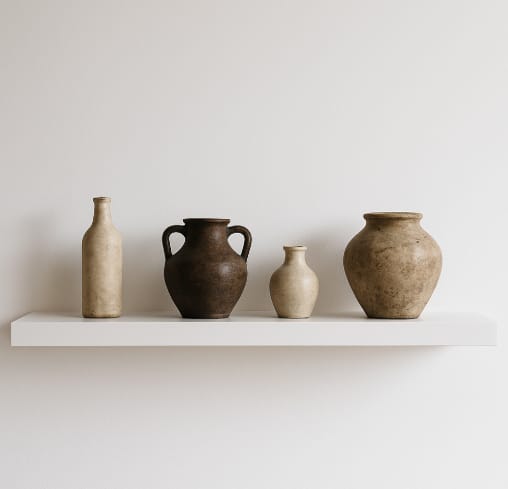
Caring for Antiques
Proper care ensures your antiques remain beautiful and maintain their value for years to come.
General Care Guidelines:
- Dust Gently: Use a soft, dry microfiber cloth to dust antiques regularly. Avoid harsh cleaners, which can damage finishes and patina.
- Use Wax Sparingly: Apply furniture wax or polish sparingly to protect wood, but don’t overdo it. Too much product builds up and attracts dust.
- Avoid Direct Sunlight: Keep antiques away from direct sunlight, which causes fading, cracking, and deterioration of finishes and fabrics.
- Control Humidity: Extreme humidity changes cause wood to expand and contract, leading to cracks. Maintain consistent humidity levels (40-60%) when possible.
- Handle with Care: Lift furniture rather than dragging it. Support items from the bottom, not by delicate components like arms or legs.
- Professional Restoration: For valuable pieces or significant damage, consult professional restorers rather than attempting DIY fixes that could reduce value.
Display Cabinet Protection: For delicate antiques like ceramics, glassware, or small collectibles, invest in display cabinets that protect from dust, accidents, and curious hands while allowing you to enjoy them visually.

Finding Quality Antiques
Building an antique collection takes time, patience, and knowledge of good hunting grounds:
Best Sources:
- Estate Sales: Often the best values, especially on the final day when prices drop
- Antique Shops and Malls: Higher prices but typically authenticated and in good condition
- Auction Houses: For serious collectors seeking specific or valuable pieces
- Flea Markets: Great for bargains if you know what to look for
- Online Marketplaces: Chairish, 1stDibs, Etsy Vintage, Facebook Marketplace—convenient but verify authenticity
- Family Heirlooms: Often the most meaningful pieces with personal history
Shopping Tips: Research values, inspect items carefully for damage, don’t be afraid to negotiate, and buy what you love rather than chasing trends.
Antiques aren’t about recreating the past or living in a museum—they’re about adding depth, character, and personality to your present. With thoughtful styling, intentional mixing of old and new, strategic repurposing, and careful curation, antiques can blend beautifully into modern homes without ever looking outdated or stuffy.
The key principles are simple: use antiques as statement pieces, mix them with contemporary elements, maintain neutral backdrops, repurpose creatively, layer textures, optimise lighting, and curate rather than clutter. Follow these guidelines, and you’ll create spaces that feel collected, layered, and uniquely yours.
So don’t shy away from that vintage mirror at the estate sale or your grandmother’s rustic trunk gathering dust in the attic. Give these treasures new life with intention and creativity. Because the best homes aren’t just trendy showrooms, they tell stories. And antiques? They’re some of the best storytellers around.
Your home should reflect your journey, your loves, and your history. Antiques help you tell that story in a way that mass-produced furniture simply cannot. Start with one special piece, apply these strategies, and watch your space transform into something truly timeless.

You May Also Like
Low-Maintenance Indoor Plants That Thrive With Minimal Effort
Top Kitchen Organisation Must-Haves for 2025
