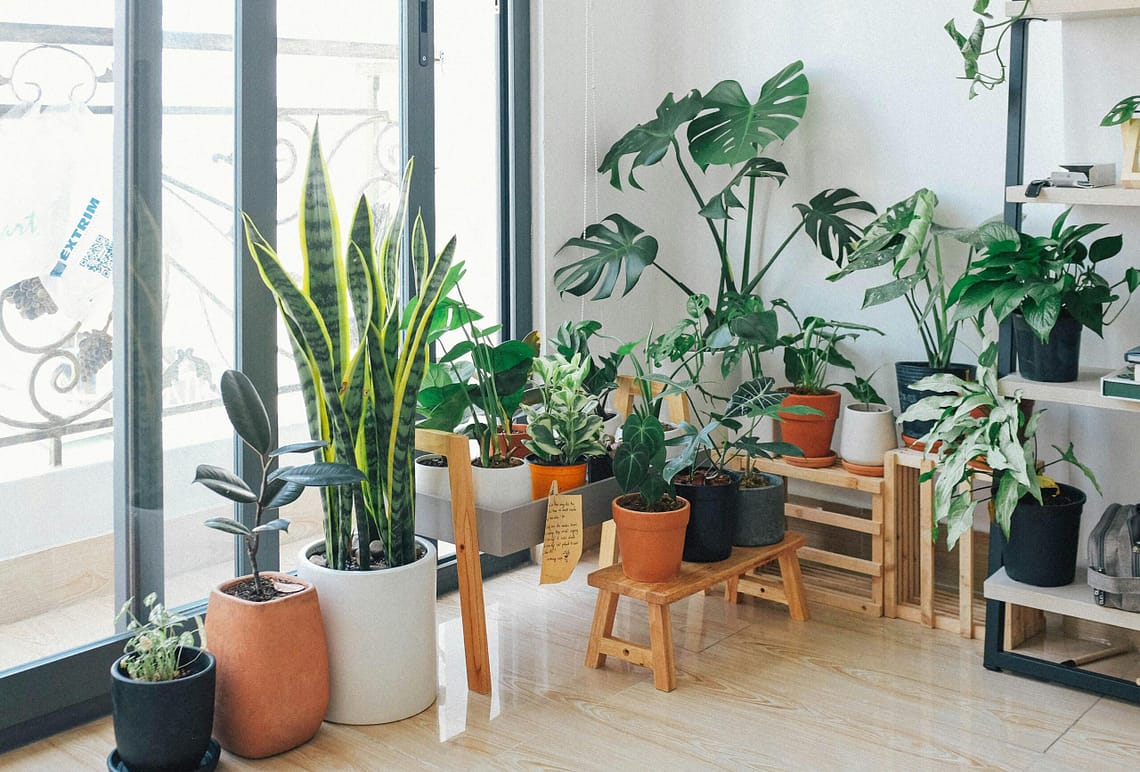
Low-Maintenance Indoor Plants That Thrive With Minimal Effort
Not everyone is born with a green thumb, and that’s okay. Indoor plants don’t have to be complicated or demanding. Some varieties are forgiving, resilient, and almost thrive on neglect, perfect for busy professionals, frequent travellers, or anyone just starting their plant journey. If you want to enjoy the beauty and benefits of greenery at home without constant watering schedules, expensive tools, or advanced knowledge, you’ve come to the right place.
Indoor plants do more than just look beautiful. They purify the air by filtering toxins, increasing humidity levels, reducing stress, boosting productivity, and creating a calming atmosphere that transforms any space into a personal sanctuary. Studies show that having plants in your home can improve mood, enhance focus, and even speed up recovery from illness.
The key to success with indoor plants isn’t having a green thumb; it’s choosing the right plants that match your lifestyle. In this comprehensive guide, we’ll explore the best low-maintenance indoor plants that forgive missed waterings, tolerate less-than-perfect conditions, and reward you with lush greenery year-round.
Why Choose Low-Maintenance Indoor Plants?
Before diving into specific plant recommendations, let’s explore why low-maintenance plants are ideal for most people:
- Time-Saving: These plants don’t require daily attention, frequent repotting, or elaborate care routines. Perfect for people with demanding schedules or those who travel regularly.
- Cost-Effective: You won’t need expensive fertilisers, specialised soil mixes, grow lights, or constant replacements. These plants are budget-friendly and durable.
- Confidence-Building: Success with resilient plants builds your gardening confidence, encouraging you to expand your collection and try slightly more challenging varieties later.
- Stress-Free: Unlike high-maintenance plants that demand precise conditions, these varieties adapt to your home environment and forgive occasional neglect.
- Air Purification: Many easy-care plants are excellent air purifiers, removing harmful toxins like formaldehyde, benzene, and carbon monoxide from your indoor environment.
- Versatile Placement: Most low-maintenance plants tolerate a range of light conditions, allowing flexibility in where you place them throughout your home.
Essential Care Basics for Indoor Plants
Before we explore specific plants, understanding these fundamental care principles will set you up for success:
Light Requirements
Light is crucial for plant health, but different plants have different needs:
- Low Light: North-facing windows or rooms away from windows. These spots receive minimal direct sunlight.
- Indirect Light: Bright rooms where sunlight is filtered through curtains or doesn’t hit the plant directly.
- Bright Light: Near south or west-facing windows with several hours of sunlight, though not necessarily direct rays on the plant.
Most low-maintenance plants thrive in low to moderate indirect light, making them adaptable to various home environments.
Watering Wisdom
Overwatering kills more houseplants than underwatering. Here’s how to water correctly:
- Check soil moisture by inserting your finger about two inches deep. If it feels dry, water thoroughly until water drains from the bottom.
- Allow soil to dry between waterings for most low-maintenance plants.
- Use room-temperature water rather than cold tap water.
- Ensure pots have drainage holes to prevent root rot.
- Water less frequently in winter when plant growth slows.
Soil and Potting
Use a well-draining potting mix designed for indoor plants. Most low-maintenance varieties prefer soil that doesn’t retain excessive moisture. Choose pots with drainage holes and saucers to catch excess water.
Temperature and Humidity
Most indoor plants thrive in typical home temperatures between 65-75°F. Avoid placing plants near heating vents, air conditioners, or drafty windows. While some plants appreciate humidity, the varieties we’ll discuss tolerate average household humidity levels.
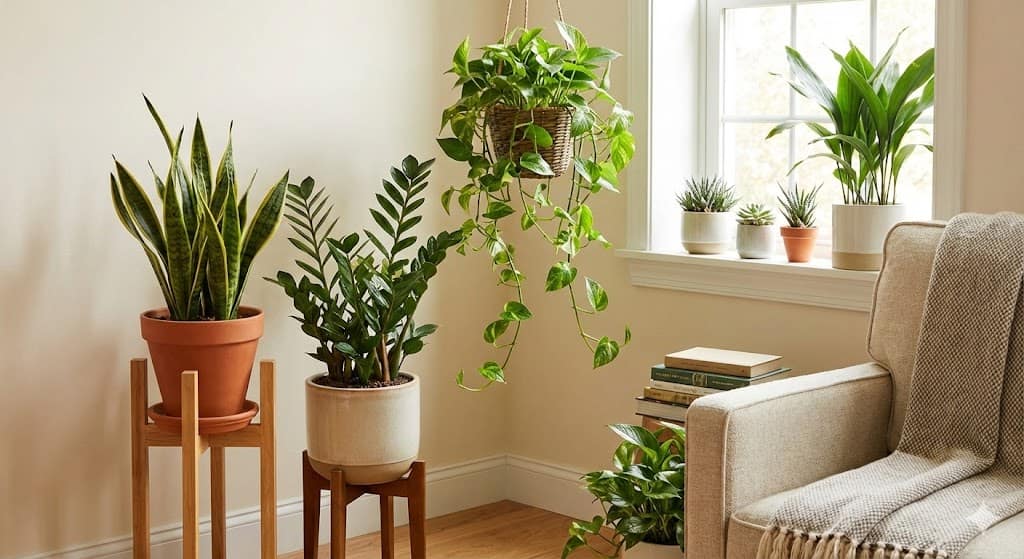
The Best Low-Maintenance Indoor Plants
Now let’s explore the most forgiving, beautiful indoor plants perfect for beginners and busy plant parents:
🌿 1. Snake Plant (Sansevieria)
- Why it’s easy: The snake plant is nearly indestructible and often called the “impossible to kill” plant. It survives in low light conditions, requires very little watering, tolerates neglect, and continues looking architectural and elegant even with minimal care.
- Appearance: Tall, upright sword-like leaves with striking patterns in shades of green, yellow, or silvery-grey. Varieties range from compact to several feet tall, fitting any space.
- Benefits: One of the best air-purifying plants, the snake plant filters toxins and releases oxygen at night (unlike most plants), making it perfect for bedrooms.
- Care Tips:
- Light: Tolerates low to bright indirect light. Adapts to almost any lighting condition.
- Water: Allow soil to dry completely between waterings. Water every 2-6 weeks depending on conditions. In winter, monthly watering often suffices.
- Common Mistakes: Overwatering is the only real threat. Yellow or mushy leaves indicate too much water.
- Placement: Works beautifully in bedrooms, bathrooms, offices, or any corner needing vertical interest.
- Pro Tip: If you frequently forget to water plants, the snake plant is your perfect match. It actually prefers being neglected over being fussed over.
🌱 2. Pothos (Money Plant / Devil’s Ivy)
- Why it’s easy: Pothos adapts to virtually any light condition from low to bright indirect, grows quickly with minimal effort, looks stunning trailing from shelves or hanging pots, and propagates easily so you can share cuttings with friends.
- Appearance: Heart-shaped leaves in various shades, classic green, golden yellow variegation, marble white patterns, or neon lime. Vines can grow several feet long, creating lush cascades.
- Benefits: Excellent air purifier that filters common household toxins. Fast growth provides instant gratification and visual impact.
- Care Tips:
- Light: Thrives in medium to bright indirect light but tolerates low light (though growth slows and variegation may fade).
- Water: Water when the top inch of soil feels dry, typically weekly. Leaves will droop slightly when thirsty, then perk up after watering.
- Trimming: Prune vines regularly to encourage bushier growth and prevent them from becoming sparse or leggy.
- Propagation: Cut stems just below a node (bump on the stem) and place in water. Roots develop within weeks, creating new plants.
- Placement: Perfect for bookshelves, hanging baskets, bathroom counters, or trained to climb a moss pole.
- Pro Tip: Pothos is incredibly forgiving. If you accidentally underwater or overwater, it recovers quickly once you adjust.
🌴 3. ZZ Plant (Zamioculcas zamiifolia)
- Why it’s easy: The ZZ plant tolerates extremely low light, survives drought and irregular watering, resists pests and diseases, and maintains glossy, attractive leaves year-round, even with minimal attention.
- Appearance: Thick, waxy leaflets along graceful arching stems create an elegant, almost sculptural presence. The deep green, glossy foliage reflects light beautifully.
- Benefits: Virtually indestructible and incredibly low-maintenance. Perfect for offices, windowless rooms, or anyone who travels frequently.
- Care Tips:
- Light: Grows in low to bright indirect light. One of the few plants that genuinely thrives in low-light conditions.
- Water: Water sparingly every 2-3 weeks or when the soil is completely dry. The thick rhizomes store water, making drought tolerance exceptional.
- Soil: Well-draining soil is essential. Mix regular potting soil with perlite or sand for better drainage.
- Growth: Slow to moderate growth, so you won’t need frequent repotting.
- Placement: Ideal for offices, bathrooms, bedrooms, or any space with limited natural light.
- Pro Tip: The ZZ plant’s rhizomes (underground stems) store water, so when in doubt, underwater rather than overwater. Yellow leaves indicate overwatering.
🌸 4. Spider Plant
- Why it’s easy: Spider plants grow quickly with minimal effort, thrive in most indoor conditions, produce adorable baby plantlets (“spiderettes”) that root easily, and forgive occasional watering mistakes.
- Appearance: Arching grass-like leaves with green and white or cream variegation. Mature plants produce long stems with small white flowers, and baby plants hang like spiders on webs.
- Benefits: NASA lists spider plants among the best air-purifying plants. Non-toxic to pets, making them safe for homes with cats or dogs.
- Care Tips:
- Light: Prefers bright indirect light but adapts to moderate light. Avoid direct sun, which can scorch leaves.
- Water: Keep soil slightly moist but not soggy. Water when the top inch feels dry, typically 1-2 times weekly.
- Humidity: Appreciates occasional misting, especially in dry climates, though not required.
- Propagation: Simply snip off baby plantlets and place them in water or soil. They root within days, creating new plants.
- Common Issues: Brown leaf tips result from tap water chemicals or low humidity. Use filtered water or let tap water sit overnight before using.
- Placement: Beautiful in hanging baskets, on plant stands, or on shelves where babies can cascade.
- Pro Tip: Spider plants produce more babies when they’re slightly root-bound, so don’t rush to repot.
🌵 5. Aloe Vera
- Why it’s easy: Aloe vera requires minimal watering, loves bright light without being fussy, stores water in thick leaves for drought tolerance, and provides soothing gel for minor burns, cuts, and skin irritation, a living first-aid plant.
- Appearance: Thick, fleshly,y pointed leaves arranged in rosettes with subtle serrated edges. Colours range from grey-green to vibrant green depending on light exposure.
- Benefits: The clear gel inside leaves offers natural remedies for burns, sunburn, dry skin, and minor wounds. Air-purifying qualities remove formaldehyde and benzene.
- Care Tips:
- Light: Thrives in bright, indirect light near sunny windows. Can tolerate some direct morning sun.
- Water: Water deeply but infrequently every 2-3 weeks when the soil is completely dry. Overwatering causes root rot.
- Soil: Requires well-draining cactus or succulent mix. Regular potting soil retains too much moisture.
- Drainage: Essential to have pots with drainage holes. Aloe cannot tolerate sitting in water.
- Temperature: Prefers warm conditions. Keep away from cold drafts or temperatures below 50°F.
- Harvesting Gel: Cut outer leaves at the base when needed. The plant will heal and continue growing.
- Placement: Kitchen or bathroom windowsills, sunny bedroom corners, or any bright spot.
- Pro Tip: Aloe leaves should feel firm and plump. Wrinkled, thin leaves indicate underwatering; soft, mushy leaves mean overwatering.
🍀 6. Peace Lily
- Why it’s easy: Peace lilies are incredibly resilient, clearly signal when they need water by drooping (then perk up immediately after watering), produce beautiful white blooms even in low light, and tolerate various indoor conditions gracefully.
- Appearance: Glossy, dark green leaves with elegant white flower-like spathes that bloom periodically throughout the year, adding sophistication to any space.
- Benefits: Exceptional air purifier that removes multiple toxins, including ammonia, benzene, formaldehyde, and trichloroethylene. Adds elegance with its blooms.
- Care Tips:
- Light: Prefers medium to low indirect light. One of the few flowering plants that blooms in shade. Avoid direct sunlight.
- Water: Water when leaves begin to droop slightly, as a clear signal of thirst. The plant recovers within hours of watering. Typical, ly weekly watering.
- Humidity: Appreciates humidity. Mist leaves occasionally or place on a pebble tray with water for extra moisture.
- Soil: Well-draining potting mix that retains some moisture without becoming waterlogged.
- Fertilising: Feed monthly during the growing season (spring/summer) with diluted liquid fertiliser to encourage blooms.
- Brown Tips: Usually indicate too much direct sun, fluoride in tap water, or low humidity. Use filtered water and mist regularly.
- Placement: Bathrooms (they love humidity), bedrooms, living rooms, or offices. Avoid placing near pets. Peace lilies are toxic if ingested.
- Pro Tip: Peace lilies communicate their needs clearly. Watch for drooping as your watering signal rather than following a strict schedule.
Additional Easy-Care Plants Worth Considering
While the six plants above are the easiest for beginners, these varieties also offer low-maintenance appeal:
- Chinese Evergreen (Aglaonema): Tolerates low light, various humidity levels, and irregular watering. Beautiful variegated foliage in greens, pinks, and reds.
- Cast Iron Plant (Aspidistra): Lives up to its name with exceptional toughness. Survives neglect, low light, temperature fluctuations, and inconsistent care.
- Rubber Plant (Ficus elastica): Dramatic, glossy leaves make a bold statement. Tolerates some neglect once established and adapts to various light conditions.
- Philodendron: Similar care to pothos with heart-shaped leaves and trailing or climbing growth habits. Extremely forgiving and fast-growing.
- Dracaena: Tall, architectural plants with striped or solid foliage. Tolerates low light and infrequent watering. Multiple varieties offer different looks.
Common Mistakes to Avoid
Even with low-maintenance plants, certain mistakes can cause problems:
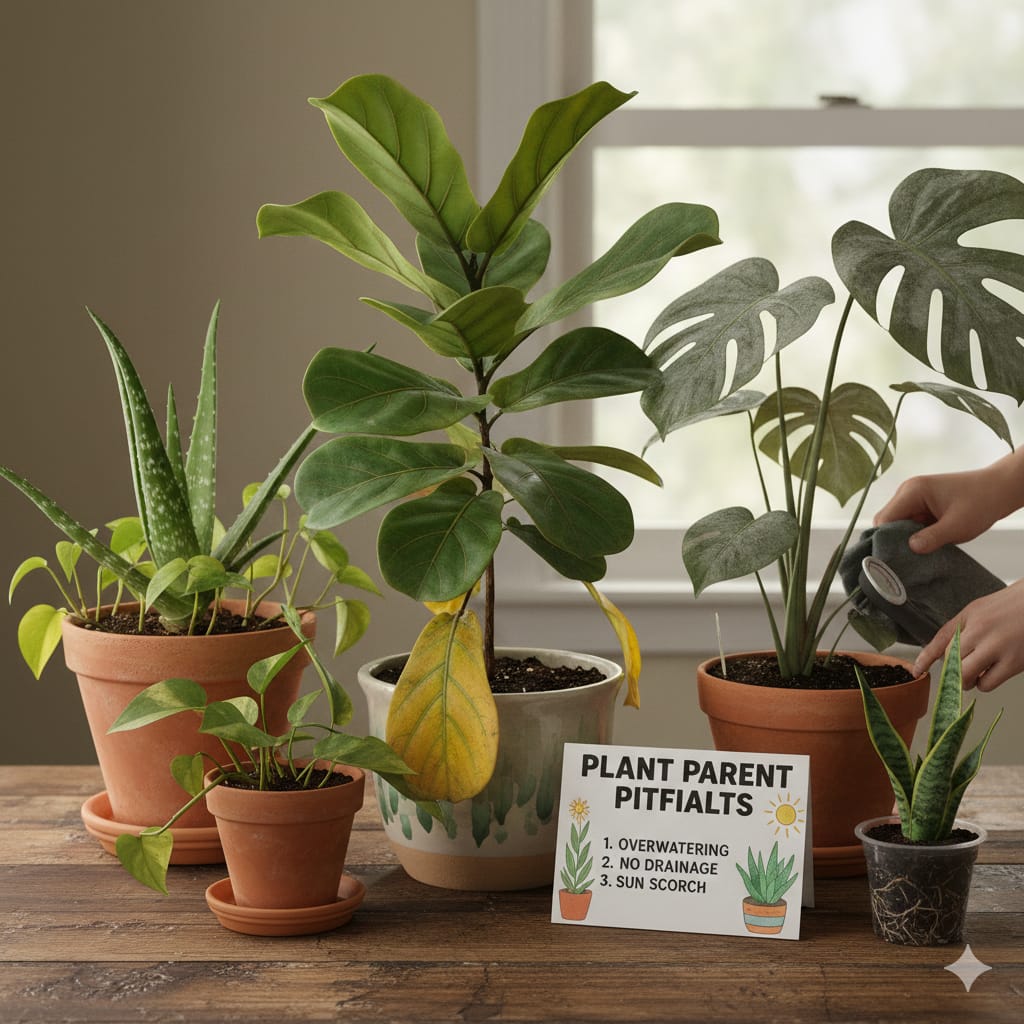
- Overwatering: The number one killer of houseplants. Most plants prefer slightly dry soil over constantly wet conditions. Check the soil before watering.
- Wrong Pot Size: Pots that are too large hold excess moisture, leading to root rot. Pots too small restrict growth. Choose containers 1-2 inches larger than the root ball.
- No Drainage: Pots without drainage holes trap water, causing root rot. Always use pots with drainage and empty saucers of standing water.
- Ignoring Signs: Yellow leaves, brown spots, or drooping indicate problems. Learn to read your plants and adjust care accordingly.
- Direct Sunlight: Most indoor plants prefer indirect light. Direct sun through windows can scorch leaves.
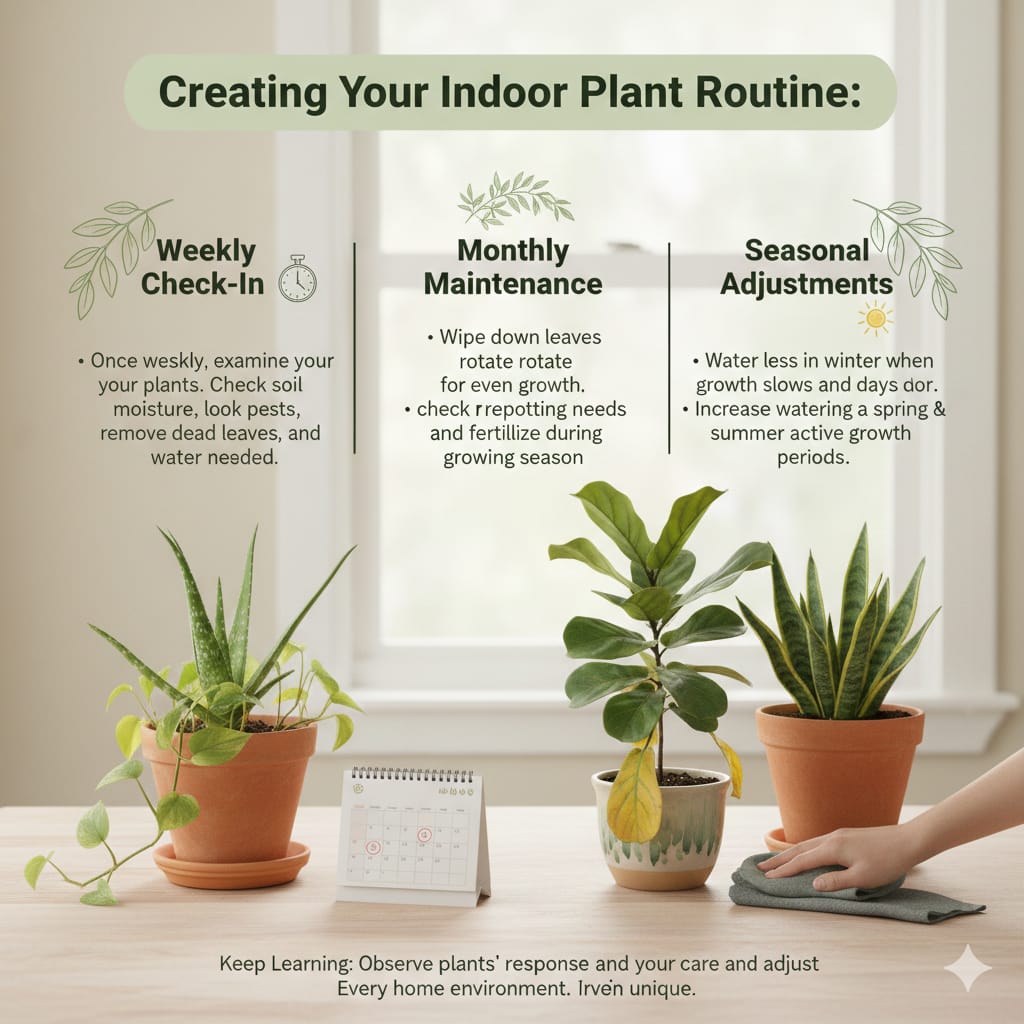
- Neglecting Cleaning: Dust on leaves blocks light absorption. Wipe leaves gently with a damp cloth monthly.
- Inconsistent Care: While these plants tolerate neglect, establishing a basic routine helps them thrive rather than just survive.
Low-maintenance plants are proof that anyone can create a home filled with beautiful, thriving greenery, no green thumb required. These resilient varieties forgive mistakes, adapt to various conditions, and reward you with lush foliage, cleaner air, and the mental health benefits of connecting with nature.
Start with one or two plants that appeal to you. Learn their rhythms, observe their responses, and let your confidence grow naturally. The secret isn’t perfection, it’s patience, consistency, and choosing plants suited to your lifestyle.
Whether you choose the architectural elegance of a snake plant, the cascading charm of pothos, the glossy sophistication of a ZZ plant, the cheerful propagation of spider plants, the practical beauty of aloe vera, or the dramatic blooms of a peace lily, you’re taking the first step toward a greener, more vibrant home.
Remember: these plants want to thrive. Give them the basics, appropriate light, occasional water, and well-draining soil, and they’ll flourish with minimal effort. Your indoor garden journey starts now, one resilient plant at a time.
Which low-maintenance plant will you welcome into your home first? The possibilities are endless, and the rewards are immediate. Happy planting!


You May Also Like
Top Kitchen Organisation Must-Haves for 2025

Tanjore Painting:Complete Guide for Beginners