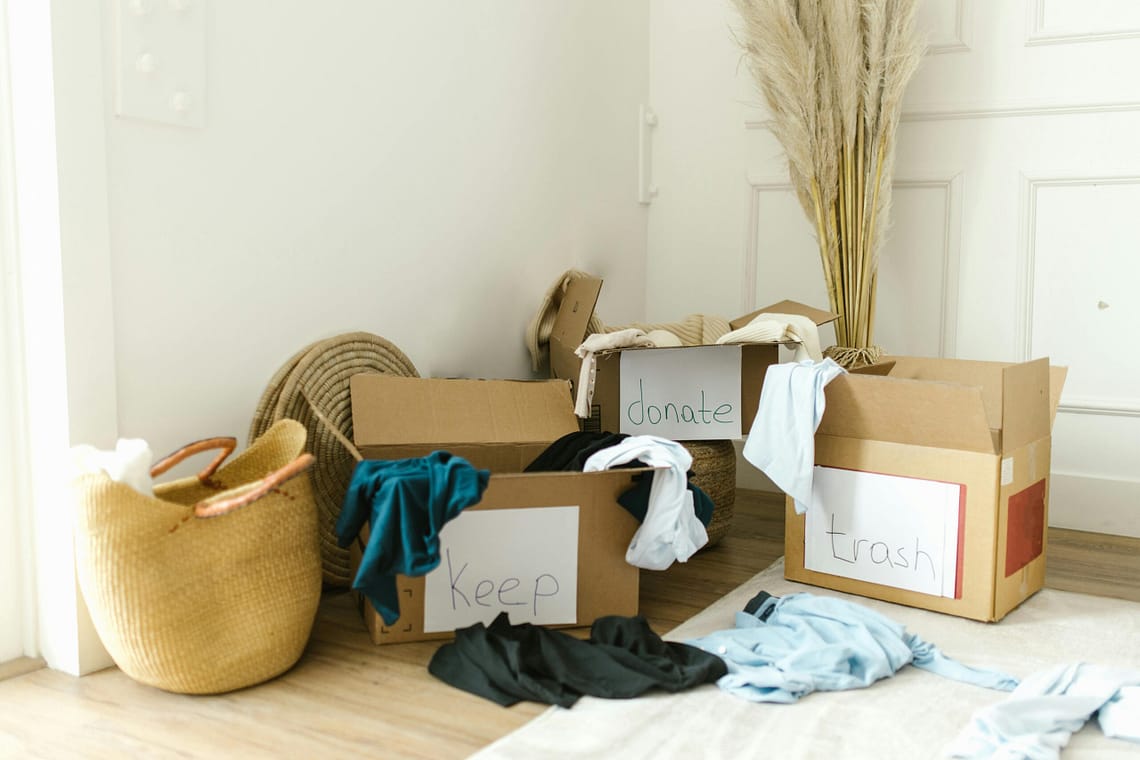
Efficient Storage Solutions for Every Room
I have a theory that the state of your home and the state of your mind are more connected than most people want to admit. Not in a judgmental way. Just in a practical, observable way. When the surfaces are clear, and everything has a place, I think more clearly. When things have been piling up for a week, there is a low-level friction to the day that is hard to name but very easy to feel.
I am not a naturally tidy person. I am an intentionally tidy person, which is a different thing entirely. It requires systems. Designated places for things. Storage solutions that make putting something away as easy as leaving it out. When the system is right, tidiness happens almost automatically. When it is not, no amount of willpower fills the gap.
Here is what works room by room.
Understanding the Importance of Year-Round Organisation
Year-round organisation is less about aesthetics and more about reducing the daily friction of living in your own home. Finding things quickly, moving through your space without navigating obstacles, and starting the day in a room that feels settled rather than chaotic. These are small quality-of-life improvements that compound significantly over time.
The approach that works long term is not a single big clear-out followed by a gradual decline. It is a set of small, consistent habits supported by storage infrastructure that makes those habits easy to maintain. The right shelving unit does more for your organisation than a weekend of motivation.
Maximise Space in the Living Room
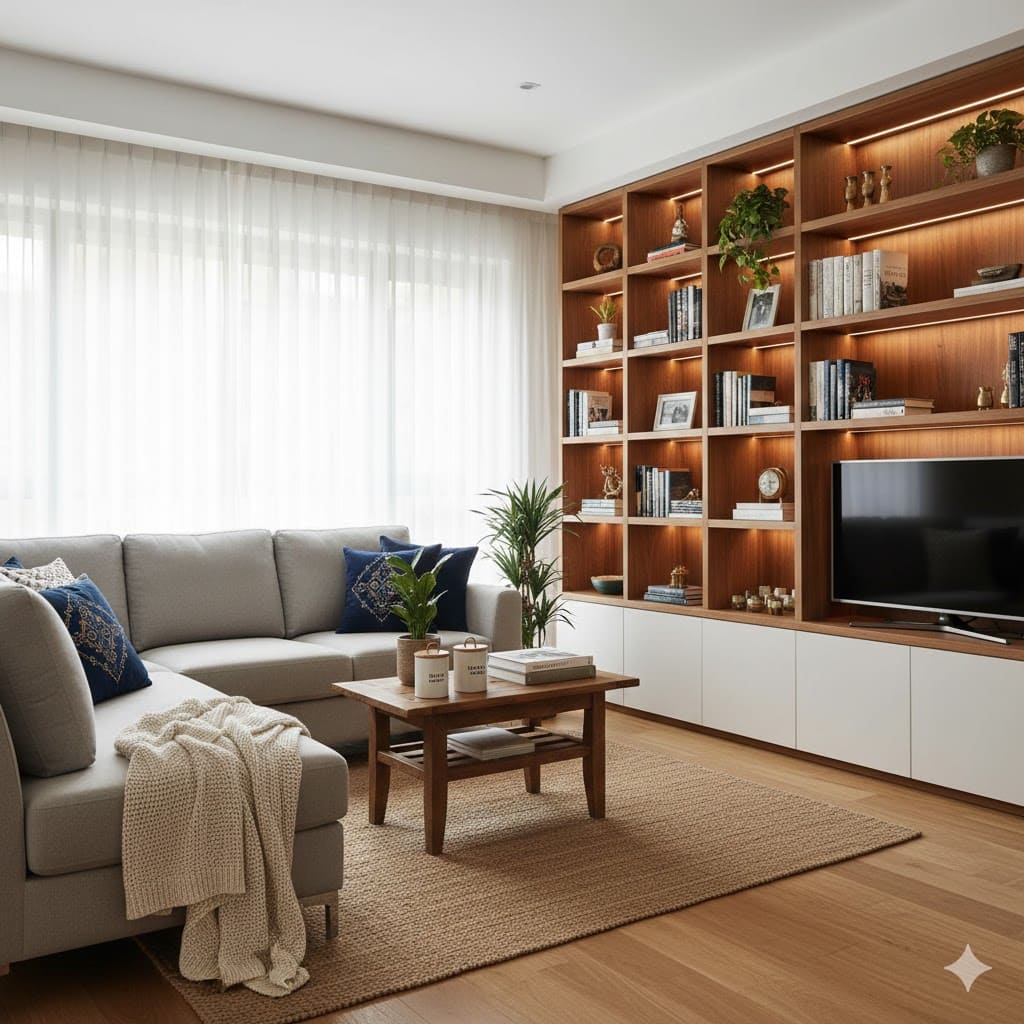
The living room carries more organisational weight than any other room in the house because it serves the most purposes. In our home,e it is where my daughter does her reading, where I decompress in the evenings, where guests sit, and where things from other rooms mysteriously migrate to if I am not paying attention.
The principle I keep coming back to is vertical space. Most living rooms are organised horizontally, with things spread across surfaces, which means clutter is always visible. Going vertical with floating shelves, a tall bookshelf, or wall-mounted storage immediately frees up floor and surface space without reducing what you can store.
Multifunctional furniture earns its place here more than anywhere else. An ottoman with internal storage. A coffee table with a shelf underneath. These pieces do double duty without taking up additional space, which matters in any room that needs to function as several things at once.
Decorative baskets on lower shelves handle the small accumulation of daily life, remote controls, books, whatever your household generates in volume, without making the room look like a storage unit.
Create a Clutter-Free Kitchen
The kitchen is the room where disorganisation has the most immediate practical consequences. A cluttered countertop slows down cooking. An unorganised cabinet means you spend three minutes finding the right lid for a pot. These are small frictions individually and genuinely annoying cumulatively.
The countertop rule I follow is simple: only things used daily live on the surface. Everything else goes away. This one principle alone changes how a kitchen feels and functions.
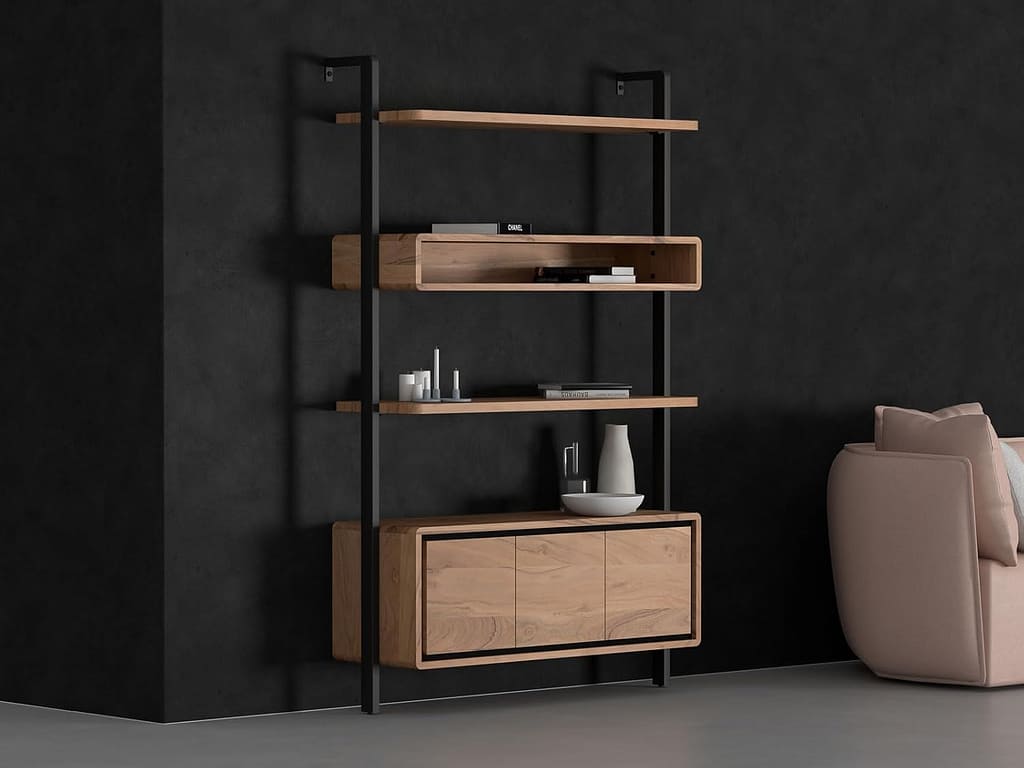
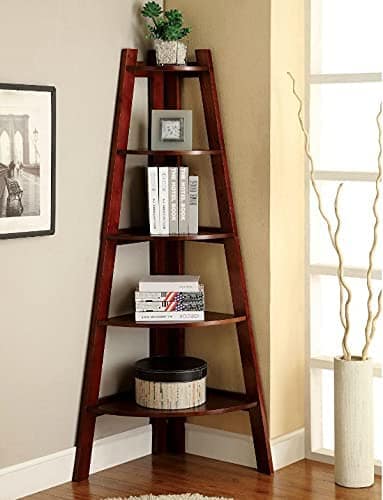
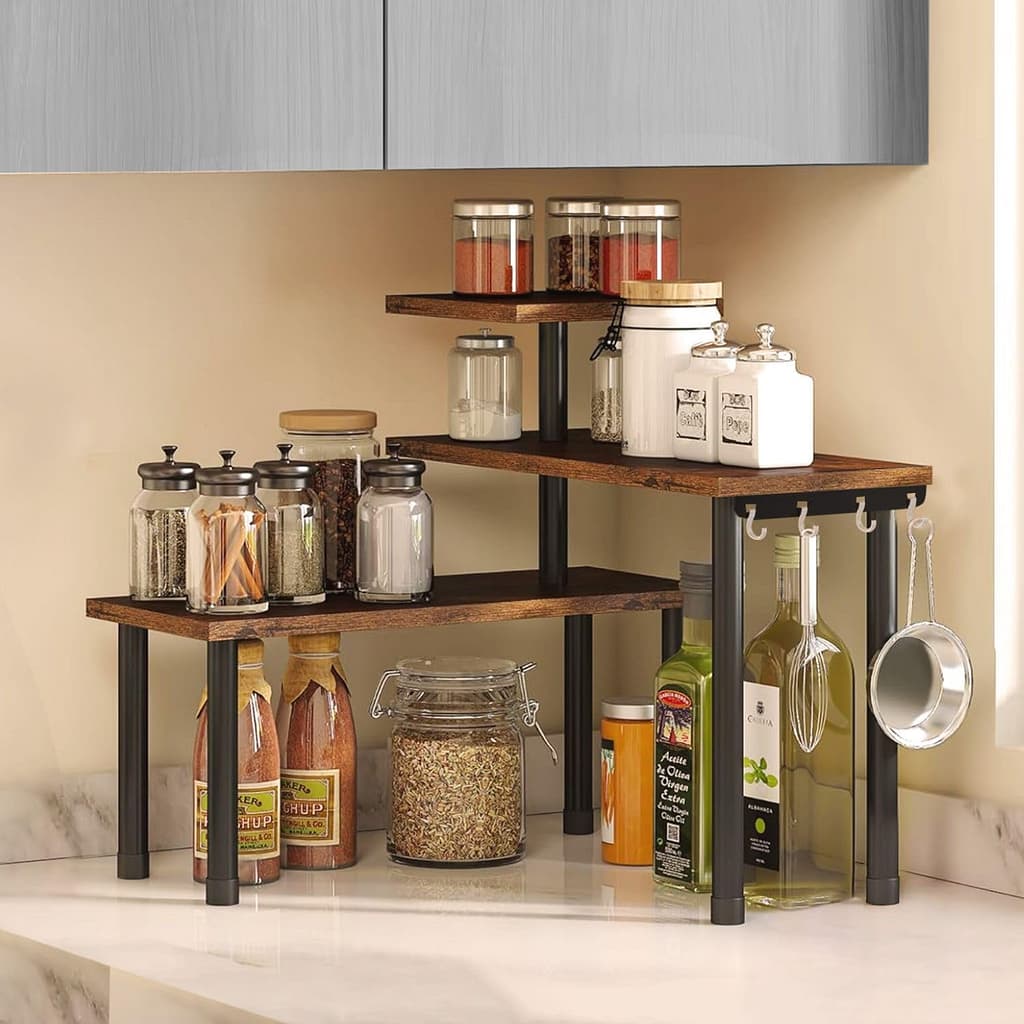
Inside cabinets, corner shelves, and pull-out organisers transform dead space into usable storage. The corner of a kitchen cabinet is where organisation usually gives up. A corner shelf unit solves this entirely and makes everything at the back accessible without moving everything at the front.
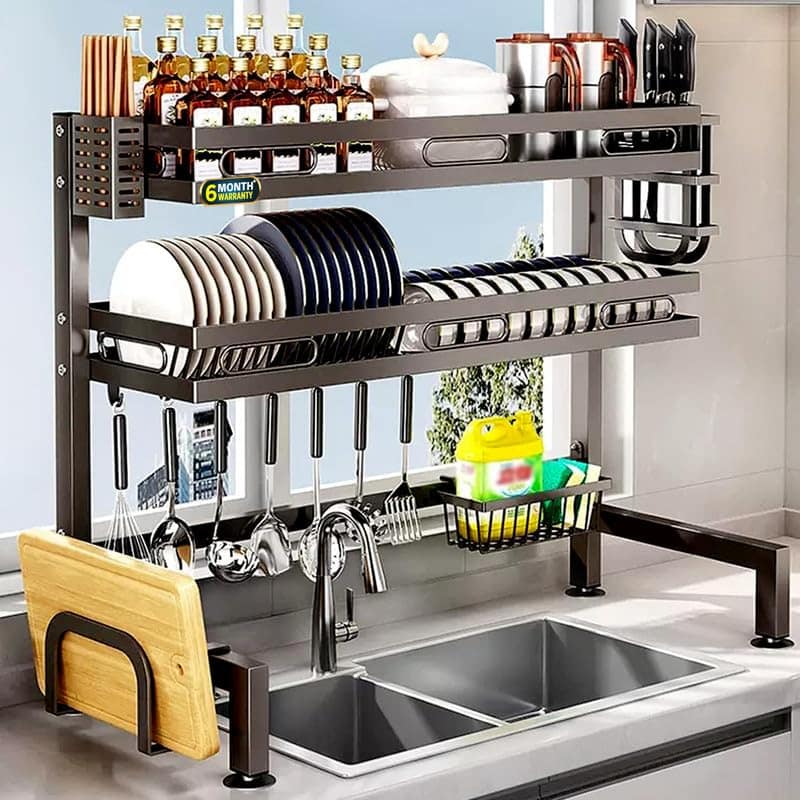
An over-sink dish rack is one of those practical investments that sounds unglamorous and makes a real difference to daily kitchen flow. Dishes dry where they are used rather than spreading across limited counter space.
Organise the Bedroom for Better Sleep
The bedroom should be the easiest room to keep organised because it serves the fewest functions. In practice, it often becomes the room where things land when there is nowhere obvious to put them elsewhere, which is a storage problem rather than a discipline problem.
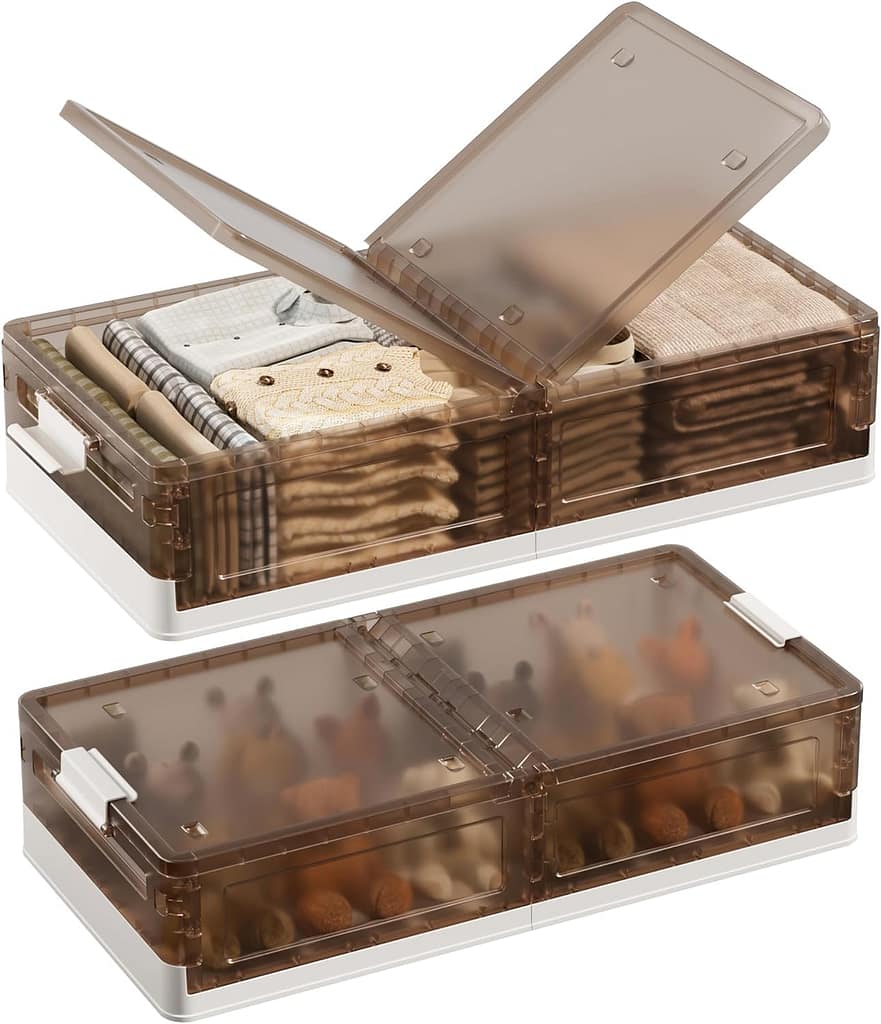
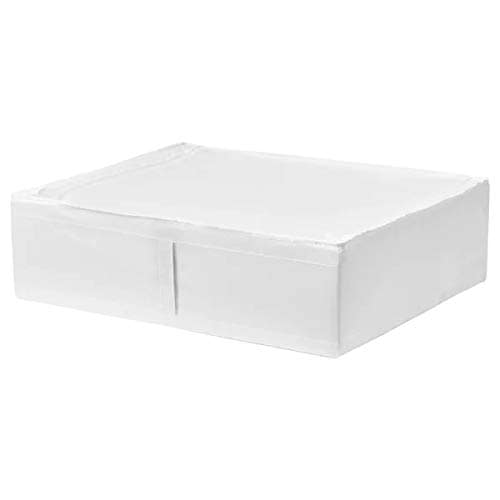
Under-bed storage is the most underused space in most bedrooms. Rolling under-bed organisers with lids are particularly useful for seasonal clothing, extra bedding, and shoes you wear occasionally rather than daily. Out of sight, properly contained, easily accessible when needed. The bed becomes storage without becoming cluttered.
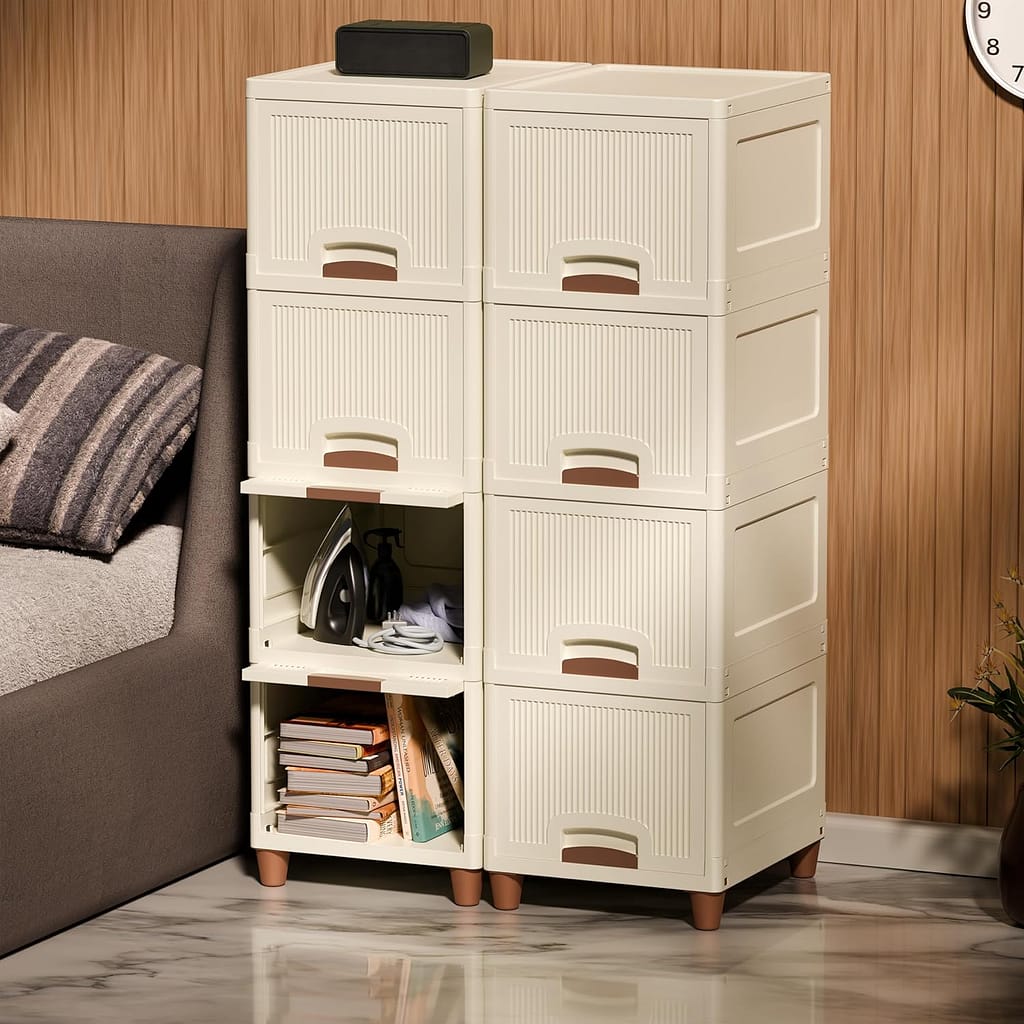
The bedside table is the other area worth getting right. A nightstand with drawers keeps the surface clear for the things that actually belong there: your current book, a glass of water, and a lamp, without sacrificing the ability to store personal items nearby. A clear bedside is one of the small things that genuinely affects how restful a bedroom feels.
Functional Storage for the Home Office
A disorganised home office is particularly costly because it affects work directly. Time spent looking for documents, navigating cable chaos, or trying to find a clear surface to think on is time not spent on the actual work.
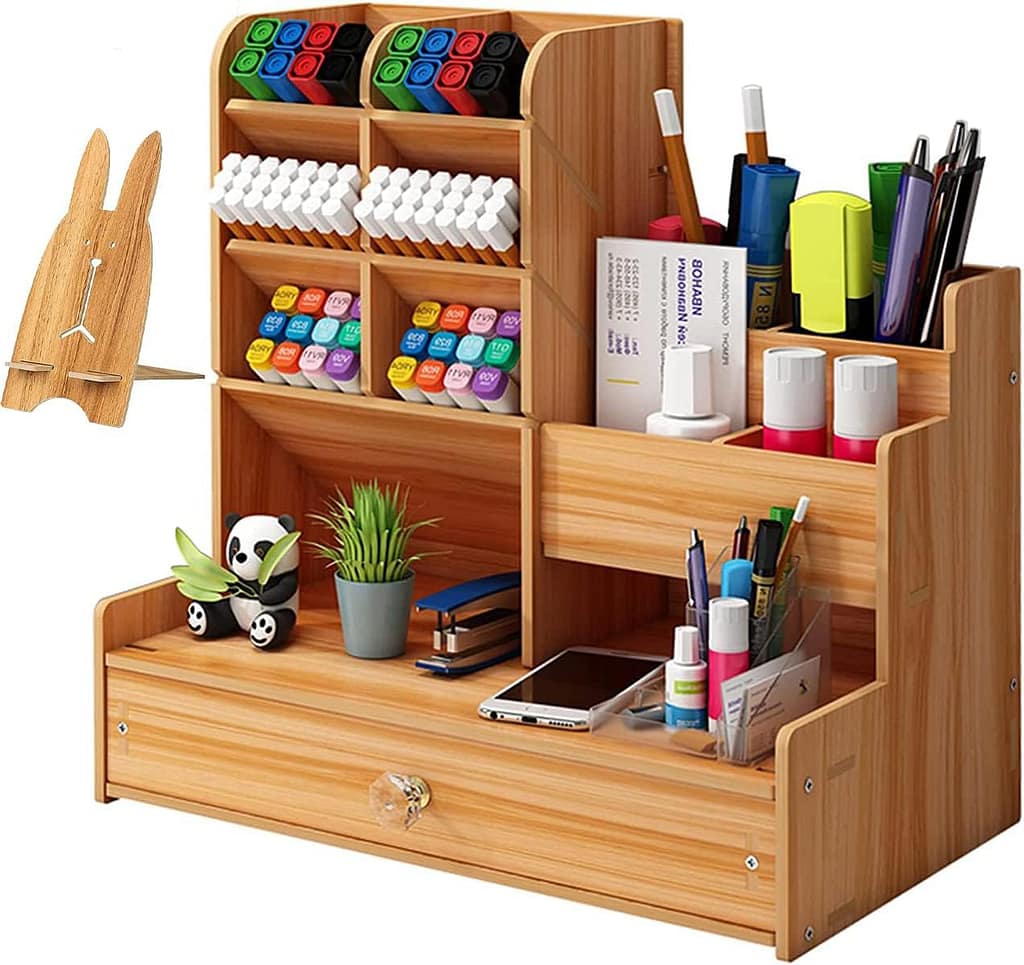
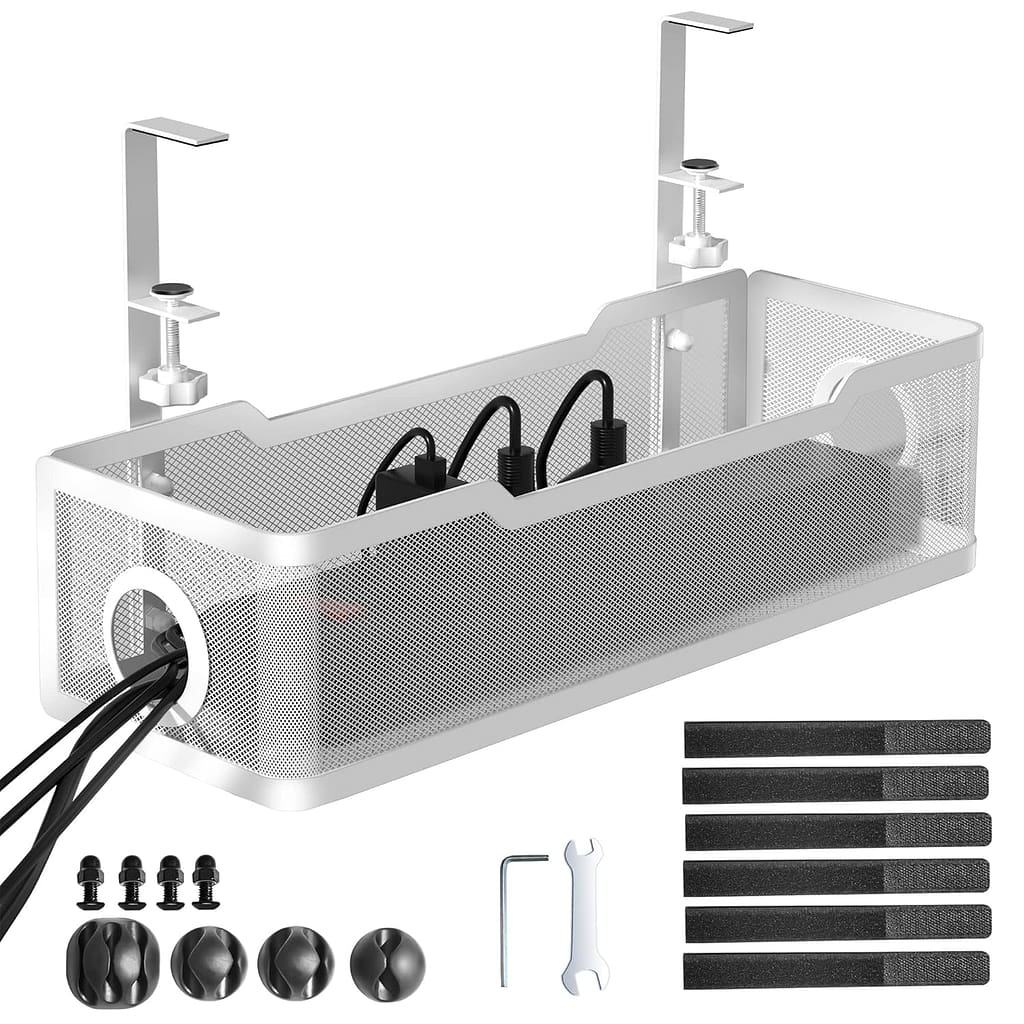
I work from home full-time, and my desk organisation has gone through several iterations before landing on something that actually holds. The principle that works is zones. A dedicated area for active paperwork. A separate space for supplies. Tech and cables were managed rather than coiled in protest behind the monitor.
A desk organiser handles the surface. Cable management under the desk handles the visual noise that makes even a tidy workspace feel chaotic. Both are small investments with immediate returns on how the space feels to work in.
Smart Solutions for Kids’ Rooms
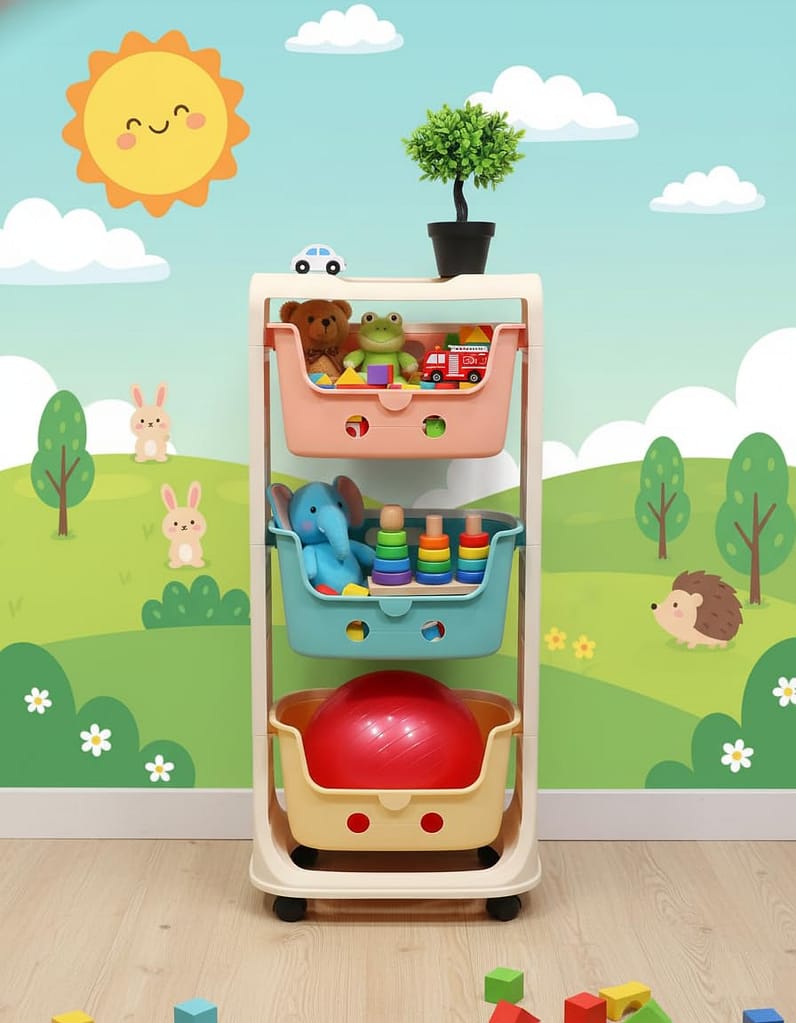
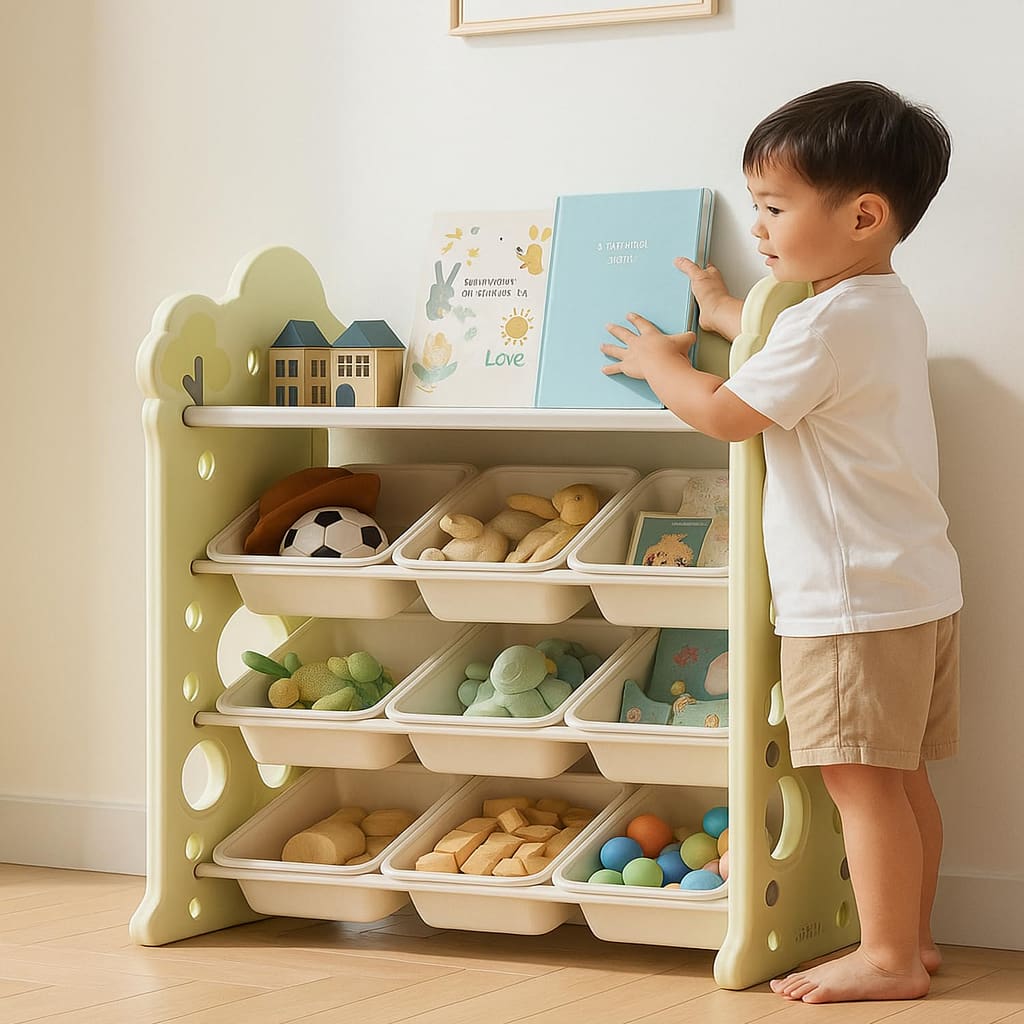
Children’s rooms present a specific organisational challenge: the storage needs to be child-accessible, or it will not get used by the child, which means you end up doing all of it. Bins and cubbies at the right height, labelled clearly, make it possible to build tidying habits rather than just tidying for them.
The routine matters as much as the storage. A five-minute tidy before bed, toys back in their bins, books back on the shelf, becomes automatic with enough repetition. The storage infrastructure makes the routine feasible. Without it, you are asking a child to solve a spatial puzzle every time they try to put something away.
Colour coding and labels serve a double purpose: they make organisation legible for children who cannot yet read, and they remove the decision about where things go, which is usually where the process breaks down.
Create a Seasonal Organising Plan to Stay on Track
Seasonal organisation is the habit that prevents the slow accumulation that makes big clear-outs necessary. Scheduling time each season, I think of it as four light sessions rather than one heavy annual one, to rotate what is in active use and store what is not, which means nothing gets forgotten at the back of a cupboard for two years.
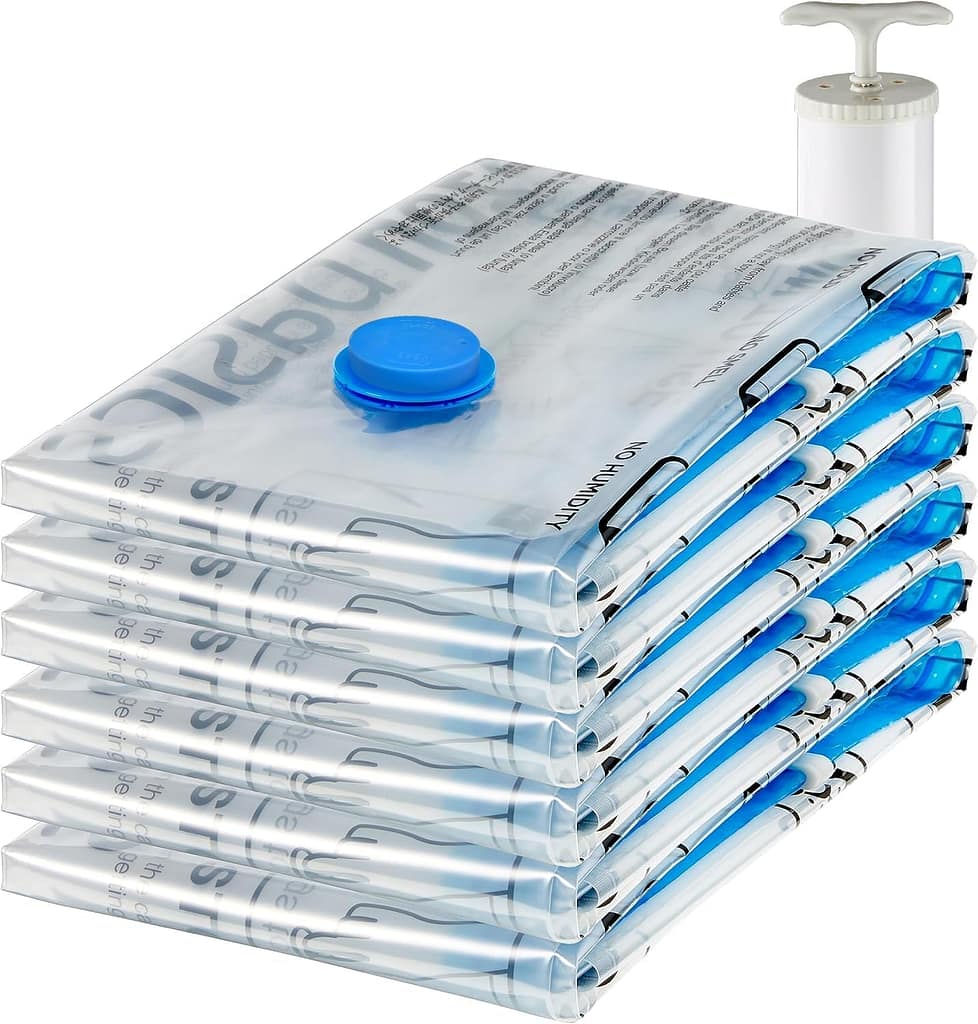
Vacuum compression bags are a practical tool that makes seasonal clothing storage genuinely space-efficient. A winter wardrobe compressed into a fraction of its normal volume and stored under the bed does not take up wardrobe space through summer. The system only works if the labels are clear, so the future you knows exactly what is in each bag without opening all of them.
Simple Daily Habits to Maintain an Organised Home
Storage solutions create the infrastructure. Daily habits are what maintain it.
The three that make the most practical difference: making the bed first thing in the morning, which takes three minutes and immediately makes the bedroom feel intentional. Putting things back in their designated place rather than setting them down temporarily, which is how temporary becomes permanent. And a five-minute reset before bed, a quick walk through the main rooms, returning anything that has migrated from where it belongs.
None of these is dramatic. Together, they are the difference between a home that stays organised and one that requires rescue every weekend.
The Power of Designating Spaces and Storage Solutions
The right storage solution for your home is the one that fits how you actually live, rather than how a home organisation account suggests you should live. Start with the room that causes you the most daily friction. Solve that one problem properly. Then move to the next.
Organisation is not a project you complete. It is a standard you maintain with the right systems in place beneath it.


You May Also Like
Top Kitchen Organisation Must-Haves
Low-Maintenance Indoor Plants That Thrive With Minimal Effort
